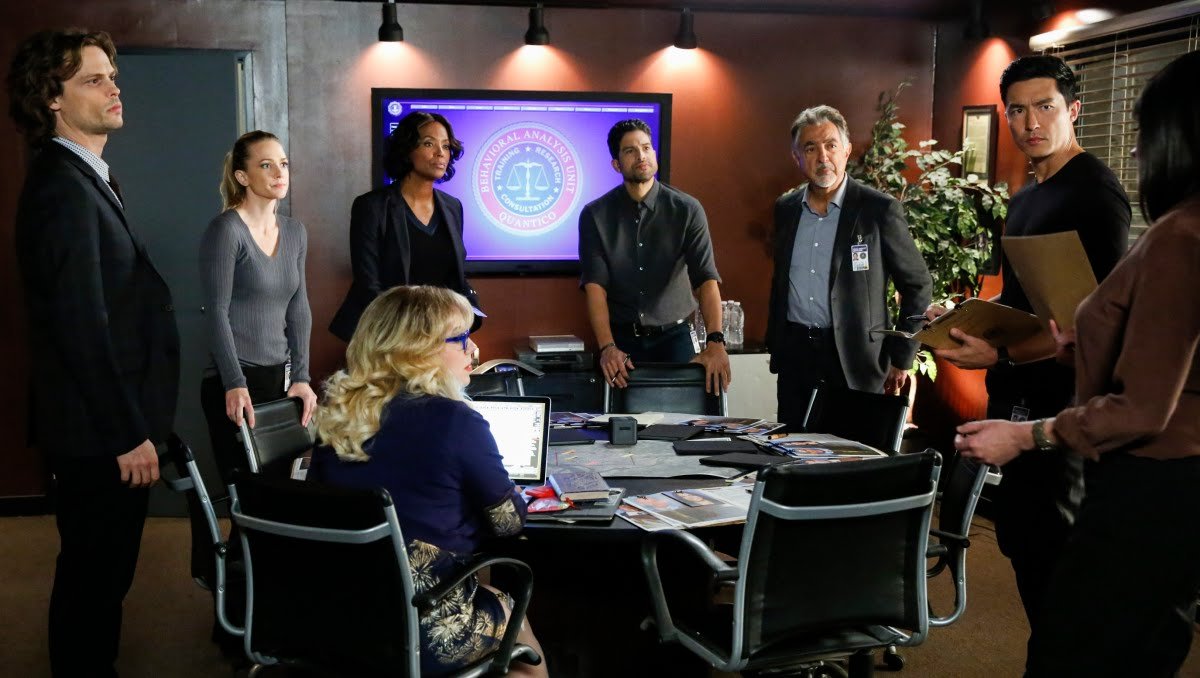
"Criminal Minds" carved out a unique space in television, captivating audiences for fifteen seasons with its intense exploration of the human psyche. For dedicated viewers, each new installment brought a blend of anticipation and scrutiny. So, when the thirteenth season rolled around, fans and critics alike were ready to weigh in on its place within the show's formidable legacy. Delving into Criminal Minds Season 13 Reviews & Fan Reception reveals a season that, while not without its merits, often struggled to meet the high bar set by its predecessors, ultimately landing in the mid-tier of fan favorites.
At a Glance: Season 13's Mixed Verdict
- Seamless Addition: Matt Simmons (Daniel Henney) integrated well into the BAU team, offering a fresh, relatable family dynamic.
- Promising Antagonist, Weak Execution: Linda Barnes (Kim Rhodes) introduced internal FBI conflict, but her arc felt low-stakes and diluted.
- Diluted Impact: The proposed "split BAU" scenario lasted only a single episode, undermining Barnes's threat.
- Overstuffed Finale: The season closer was criticized for being too complex, featuring a sudden cult leader twist and multiple unresolved plot threads.
- Missed Potential: Despite strong individual character moments, the season as a whole didn't quite hit its stride or deliver truly compelling overarching narratives.
The Enduring Appeal of Profiling: A Quick Look Back
For over a decade, Criminal Minds invited us into the dark world of the FBI's Behavioral Analysis Unit. From its 2005 launch, the show mastered the art of psychological thrillers, following agents like Jason Gideon, Aaron Hotchner, and Spencer Reid as they pieced together the motives of the most disturbing serial killers. The series, which originally wrapped in 2020, even saw a successful revival, Criminal Minds: Evolution, on Paramount+ in late 2022, proving the enduring appeal of its characters and premise. This long, rich history naturally means that each season is judged not just on its own merits, but against the backdrop of what came before and after.
Season 13: Bridging Old and New Dynamics
Coming off the significant upheaval of Season 12, which saw the departure of Thomas Gibson's Agent Hotchner and the return of Paget Brewster as Prentiss, Season 13 faced the challenge of solidifying a new BAU lineup while continuing to deliver the show's signature blend of terrifying cases and heartfelt team dynamics. This season, specifically Criminal Minds season thirteen, attempted to blend new energy with established character arcs.
A Familiar Face, A Fresh Start: The Arrival of Matt Simmons
One of the undeniable strengths of Season 13 was the smooth transition of Matt Simmons (Daniel Henney) from the Criminal Minds: Beyond Borders spin-off to the core BAU team. Simmons, portrayed as a dedicated family man, quickly established himself as a stable, trustworthy presence. Fans appreciated his grounded nature and the new dynamic he brought, particularly how his personal life—such as his wife's firm being held hostage—offered relatable stakes. This seamless integration was a highlight, preventing the jarring cast changes that had negatively impacted earlier seasons like Season 6, which saw the contentious departures of JJ and Prentiss, and the struggle to integrate new hire Agent Ashley Seaver. Simmons's addition felt earned and organic, a rare win in the often-tricky business of bringing new agents into a tight-knit team.
The Bureaucratic Blight: Linda Barnes' Unfulfilled Threat
Every season needs its antagonist, and for much of Season 13, that role fell to Linda Barnes (Kim Rhodes). Introduced as a powerful and "hateful" character within the FBI, Barnes's intent to reframe the bureau and create internal conflict for the BAU had the potential to be truly compelling. On paper, a threat from within the organization, rather than just from an unsub, could have provided a fresh source of tension, pushing the team to fight on multiple fronts.
However, the execution of Barnes's storyline ultimately fell short. Many reviews and fan comments echoed the sentiment that her bureaucratic machinations felt "low-stakes" when pitted against the horrific crimes the BAU routinely investigated. The show's core strength lies in its exploration of extreme psychological darkness; a character concerned with office politics, no matter how maliciously, struggled to hold the same weight. Adding to this dilution was the fact that the BAU was only split for a single episode, which significantly blunted the impact of Barnes's supposed threat. A truly formidable internal conflict would have required sustained pressure and real consequences, a depth that this arc simply didn't achieve.
Unreaching Its Potential: A Season of What-Ifs
The ground truth explicitly states that Season 13 "did not reach its potential." This summarizes a common thread in its reception. While individual episodes might have stood out, and new characters like Simmons were well-received, the overarching narratives lacked the compelling grip that defined Criminal Minds at its best.
Take, for instance, Season 12's serialized arc for Reid, which saw him framed for murder and forced to evolve through a harrowing prison experience. That storyline provided a strong, character-driven through-line. Season 13, by contrast, struggled to find that same narrative backbone. The intention was there, particularly with Barnes, but the impact was consistently undermined, leaving viewers with a sense of missed opportunities. The result was a season that felt somewhat adrift, oscillating between strong standalone cases and weaker attempts at larger story arcs.
The Overstuffed Finale: A Twist Too Many
A good Criminal Minds finale typically leaves you on the edge of your seat, eager for the next season. Season 13's conclusion, however, drew criticism for being "overstuffed and complicated." It juggled a disgraced FBI agent, a potential serial killer, and a "sudden" cult leader twist. While the show is known for its intricate plotting, cramming too many disparate elements into a single finale can lead to a muddled experience rather than a thrilling one.
The "sudden" cult leader twist, in particular, suggests that the groundwork wasn't adequately laid throughout the season, leaving it feeling unearned or tacked on. This can be frustrating for viewers who invest in a season's ongoing narrative, only to have a significant development appear without sufficient buildup. Compare this to the methodical unfolding of villain arcs like The Reaper in Season 4 or Mr. Scratch, where the slow burn and personal connection to the BAU made the finales truly devastating.
Fan Reception: A Wobbly Middle Ground
So, how did all this translate into fan reception? Season 13 generally sits in a "middle of the road" position within the show's extensive run. It wasn't universally panned like Season 6, which was marred by controversial cast changes and behind-the-scenes drama, nor was it as strong as fan-favorite seasons that delivered iconic villains and profound character development (like Seasons 2, 3, 4, 5, 7, 8, 11, or 12).
Fans appreciated the consistency of the team dynamic, especially after the tumultuous preceding seasons. The addition of Daniel Henney's Matt Simmons was a definite plus, a character viewers could easily root for. However, the criticisms around Linda Barnes and the finale likely prevented the season from achieving the "must-watch" status of earlier peaks. It was a season that kept the show ticking over, but perhaps didn't generate the same level of excitement or rewatchability. The lack of a truly compelling, season-long "Big Bad" (like Voit in Evolution or Foyet in Season 5) meant that the episodic cases, while often dark and engaging, didn't always tie into a larger, satisfying arc.
Reflecting on Comparative Standing
Looking at the broader context of Criminal Minds seasons:
- Better than: Season 6 (cast instability), Season 10 (weak team chemistry, character exits), Season 14 (uneven, divisive JJ/Reid confession), and Season 9 (underutilized character, uncompelling cases outside specific arcs). Season 13 managed to avoid the significant missteps that plagued these seasons.
- Not as strong as: Most other seasons, particularly those with iconic villains, strong character arcs, and high emotional stakes (e.g., Seasons 2, 3, 4, 5, 7, 8, 11, 12). Even the later, shortened Season 15 offered a more focused farewell, and the Evolution revival presented a compelling serialized villain.
This places Season 13 as a solid, but not spectacular, entry. It did enough to keep loyal viewers engaged, but didn't introduce anything groundbreaking or memorable enough to stand out as a fan favorite.
Navigating the BAU's Journey: The Ongoing Appeal Despite the Bumps
For a show with such a long run, it's almost inevitable to have seasons that are stronger than others. The very nature of procedural television, with its weekly "unsub" and attempts at overarching narratives, lends itself to periods of both brilliance and perceived stagnation. What Criminal Minds demonstrated, even in seasons like its thirteenth, was an underlying resilience and a core cast that kept viewers coming back.
The commitment to exploring the psychological toll of the job, the intricate relationships within the BAU family, and the dark corners of the criminal mind always provided something to hold onto. Even when specific storylines or villains didn't quite land, the fundamental appeal of watching these brilliant profilers unravel complex mysteries remained.
Learning from the Thirteenth Season
For those looking back at Criminal Minds history, Season 13 serves as a valuable case study. It highlights how crucial a compelling, well-executed season-long antagonist is, and how important it is to allow internal conflicts to genuinely threaten and transform the team. The season showcased that while new characters can be a boon, they need a strong narrative framework to truly shine.
Ultimately, while not a top-tier season, Season 13 is a testament to the show's ability to evolve and keep its audience invested, even when specific creative choices didn't fully resonate. It's a chapter in a much larger story, one that continues to captivate old fans and new with its enduring blend of intellect, empathy, and chilling suspense.